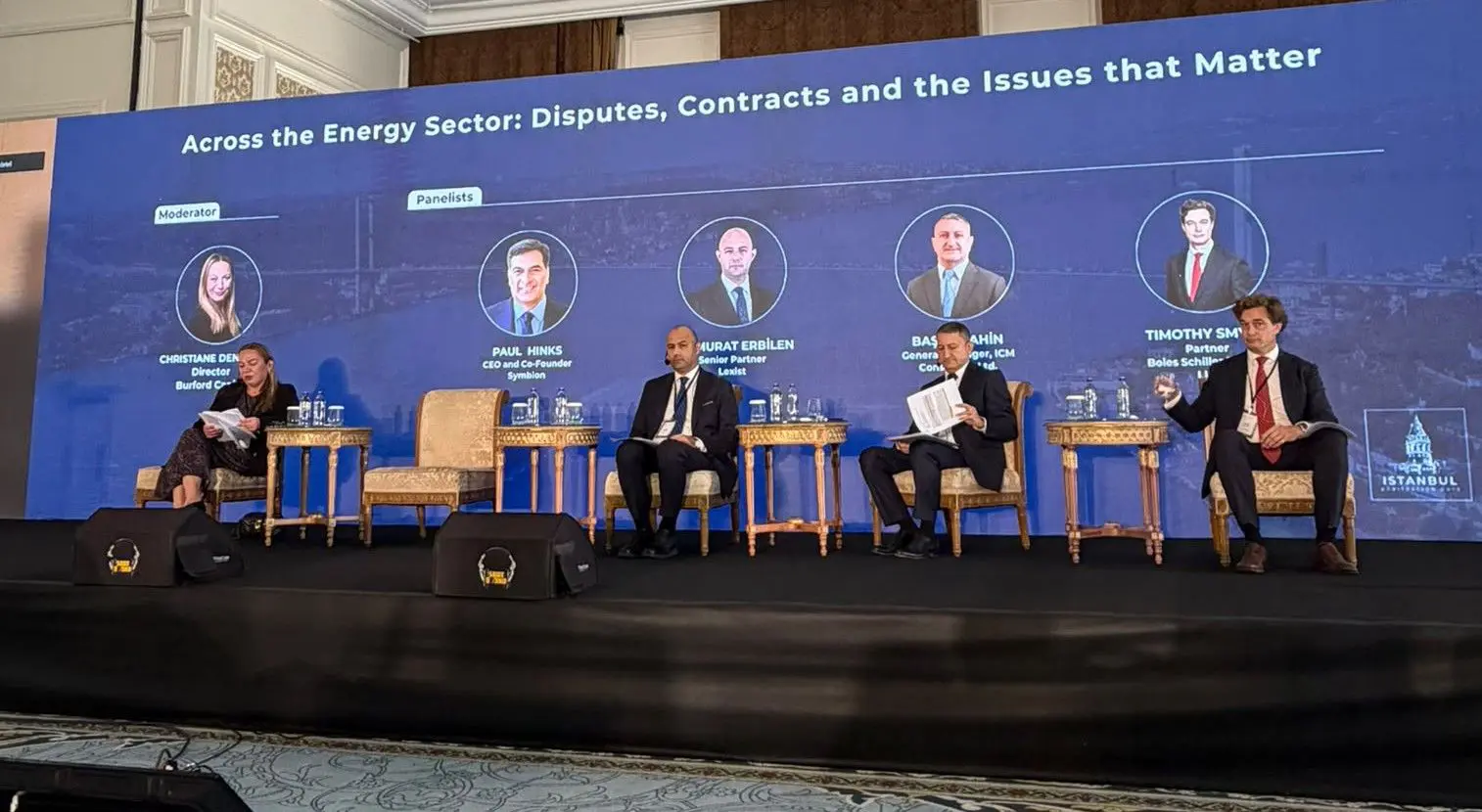
Lexist was a key speaker on the energy arbitration panel at the third Istanbul Arbitration Days, covering key topics and questions as:
- Long-term supply contracts (price review clauses, force majeure, take-or-pay obligations): From a civil-law/regional perspective, are tribunals reading these clauses differently than the market expected when they were drafted a decade ago?
- Sanctions on Russian oil exports keep generating disputes over force majeure and frustration: Is there an emerging consensus among tribunals on how to treat sanctions-driven non-performance, or is this still genuinely unsettled?
- Decommissioning obligations are becoming a bigger dispute driver as older fossil assets wind down: Are decommissioning and abandonment clauses actually being negotiated properly at signing, or is this a problem that gets deferred and then blows up 20 years later?
- What is one clause you would now flag as “non-negotiable” in an energy contract? “It would be a well-drafted price revision clause. The clause itself would be non-negotiable, but I would expect its scope, triggers and mechanics to be heavily negotiated by the parties.”
- ESG and biodiversity-linked valuation questions are creeping into quantum discussions: Is that a genuine new head of damages, or is it mostly rhetorical positioning at this stage?
- With the Energy Charter Treaty in retreat in parts of Europe, where are investors in renewables and traditional energy actually going for protection now: bilateral treaties, contract-based arbitration clauses, political risk insurance, or some combination?
- Is arbitration still the right forum for energy transition disputes, or will more of this end up in domestic courts and regulatory processes?
- What is one piece of advice to in-house counsel in this room negotiating an energy contract this year? “Don’t just plan for today’s risks; make sure the contract can adapt to future risks as well.”